


How to Use Google Webmaster Tools Check Backlinks Effectively
Backlinks are one of the most important factors in SEO, and keeping track of them is essential for any website owner or digital marketer. The good news is that Google Webmaster Tools’ check backlinks can make this task much easier. In this guide, we’ll break down exactly how to use Google Webmaster Tools to monitor your backlinks effectively, so you can improve your site’s performance and authority.
Table of Contents
- What Are Backlinks and Why Do They Matter
- Introduction to Google Webmaster Tools
- How to Access Backlink Data in Google Webmaster Tools
- Understanding Your Backlink Report
- Using the Backlink Data Effectively
- Tips for Maximizing the Use of Google Webmaster Tools as a Backlink Checker
- Common Mistakes to Avoid
- FAQs About Google Webmaster Tools and Backlinks
- Conclusion
What Are Backlinks and Why Do They Matter
Backlinks are links from other websites pointing to your site. Search engines like Google consider them as votes of confidence, signaling that your content is valuable and trustworthy. The more quality backlinks your website has, the higher it can rank in search results.
However, not all backlinks are equal. Low-quality or spammy backlinks can harm your site’s reputation. That’s why using a reliable backlink checker is crucial to identify which links are helping and which might be hurting your SEO.
Introduction to Google Webmaster Tools
Google Webmaster Tools, now called Google Search Console, is a free tool provided by Google to help website owners monitor performance and strengthen results with the help of modern SEO content tools.
Among its many features, it offers a simple and effective way to check backlinks to your site.
- Monitor your site’s overall search performance.
- Identify issues affecting your SEO.
- Check which websites are linking to yours.
How to Access Backlink Data in Google Webmaster Tools
To start using Google Webmaster Tools as a link checker, follow these steps:
- Sign in to Google Search Console: Go to https://search.google.com/search-console and log in with your Google account.
- Select your website: From the dashboard, choose the property you want to analyze.
- Navigate to Links: In the left-hand menu, click on “Links. Here you will see two sections: “External links” and “Internal links.”
- Review top linking sites: Under “External links,” you can view the sites linking to your website. This is your main backlink overview.
Understanding Your Backlink Report
The backlink report in Google Webmaster Tools provides useful details such as:
- Top linking domains: Websites with the most links pointing to your pages.
- Top linked pages: Which pages on your site receive the most backlinks?
- Anchor text: The visible text used in links pointing to your site.
By analyzing this information, you can identify high-quality backlinks, spot spammy links, and improve results using proven content optimization strategies.
Using the Backlink Data Effectively
Once you have your backlink data, it’s important to use it strategically with the support of reliable SEO tools for content planning:
- Identify high-value links: Focus on links from authoritative sites in your niche.
- Disavow harmful links: If you notice spammy or low-quality backlinks, consider using Google’s disavow tool to prevent penalties.
- Monitor new backlinks: Regularly check for new links to see how your SEO efforts are performing.
- Analyze competitor links: Use the backlink report as inspiration to reach out to similar sites for link-building opportunities.
Tips for Maximizing the Use of Google Webmaster Tools as a Backlink Checker
To make the most out of Google Webmaster Tools check backlinks, follow these best practices:
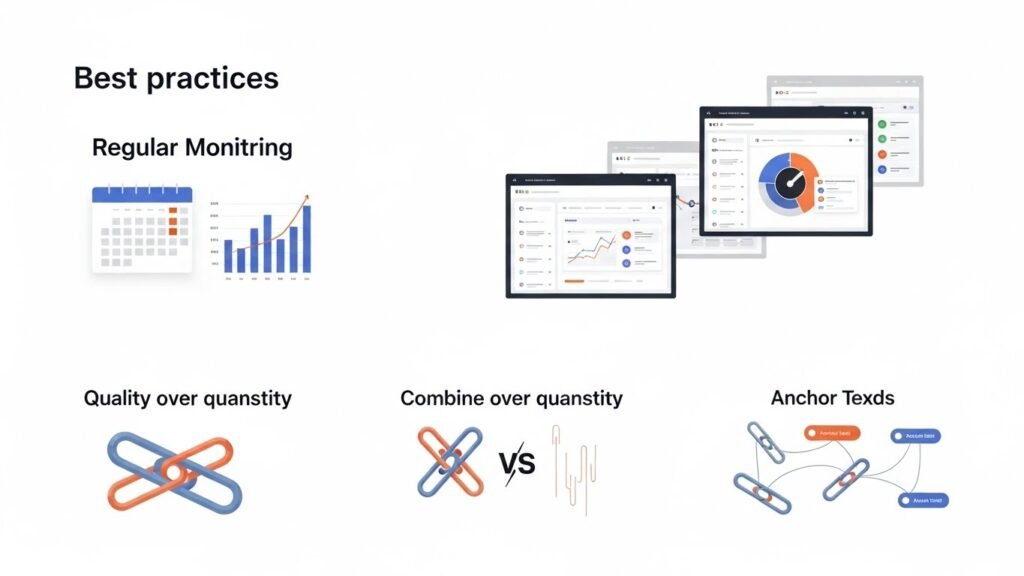
- Check backlinks regularly: Weekly or monthly reviews keep your link profile healthy.
- Combine with other tools: While Google Search Console is powerful, using additional backlink checker tools can give you a more complete picture.
- Focus on quality, not quantity: A few high-authority links are better than dozens of low-quality ones.
- Track anchor text trends: Ensure your links use relevant and natural anchor text to improve SEO.
Common Mistakes to Avoid
- Ignoring low-quality backlinks that could harm your rankings.
- Relying solely on Google Webmaster Tools without cross-checking with other tools.
- Failing to analyze which pages receive the most links.
- Over-focusing on quantity rather than relevance and authority.
FAQs About Google Webmaster Tools and Backlinks
1. What is the difference between Google Webmaster Tools and other backlink checkers?
Google Webmaster Tools (Search Console) provides verified backlinks to your own site only, while other backlink checker tools can show links for any site and often provide more detailed metrics. Both approaches complement each other for a complete backlink strategy.
2. How often should I check backlinks in Google Webmaster Tools?
It’s recommended to check your backlinks at least once a month. Regular monitoring helps you identify harmful links and track your SEO progress.
3. Can I disavow bad backlinks using Google Webmaster Tools?
Yes. Google provides a disavow tool that allows you to notify Google about links you don’t trust. This helps prevent penalties from low-quality or spammy backlinks.
4. Are all backlinks equally valuable?
No. Backlinks from authoritative, relevant websites are much more valuable than links from low-quality or unrelated sites. Quality always matters more than quantity.
5. Is Google Webmaster Tools free?
Yes, Google Search Console (formerly Webmaster Tools) is completely free and provides a wealth of information for website owners, including backlink tracking.
6. Can I use Google Webmaster Tools for competitor analysis?
Not directly. Google Search Console only shows backlinks for sites you own. For competitor backlink analysis, you need specialized link checker tools.
Conclusion
Mastering Google Webmaster Tools check backlinks is essential for effective SEO management. By regularly monitoring your backlinks, analyzing link quality, and taking action on harmful links, you can strengthen your site’s authority and improve search rankings. Using these strategies ensures you maintain a healthy backlink profile while maximizing the value of your SEO efforts.