


AI-Generated Phishing Content Training Tools for Safer Cybersecurity Awareness
Cybersecurity threats are evolving faster than ever, and phishing remains one of the most effective attack methods used by cybercriminals. Traditional training methods are no longer enough to prepare employees for modern, highly personalized scams. This is where ai-generated phishing content training tools are changing the game. By using artificial intelligence to create realistic phishing scenarios, organizations can train users to recognize and stop attacks before real damage occurs.
Table of Contents
- What Are AI-Generated Phishing Content Training Tools?
- Why Traditional Phishing Training Is No Longer Enough
- How AI Improves Phishing Simulation Accuracy
- Understanding the Role of Phishing Attack Tools in Training
- Ethical and Legal Considerations in Phishing Training
- Key Features to Look for in Phishing Training Software
- How AI-Generated Training Builds Long-Term Awareness
- Common Mistakes Organizations Make
- The Future of Phishing Awareness Training
- Frequently Asked Questions
In this guide, we’ll explore how these tools work, why they are more effective than older approaches, and how businesses use them responsibly to build stronger cybersecurity awareness without putting systems at risk.
What Are AI-Generated Phishing Content Training Tools?
AI-generated phishing content training tools are specialized cybersecurity platforms that use artificial intelligence to create realistic phishing emails, messages, and attack scenarios for educational purposes, similar to cybersecurity authority definition.
Unlike basic templates, these tools analyze real-world attack patterns and generate content that closely mirrors what attackers actually use.
The goal is not to launch real attacks, but to safely simulate them in controlled environments. Employees receive training emails that look authentic, helping them learn how to identify red flags, suspicious links, and social engineering tactics.
Many of these platforms function as software for phishing awareness rather than malicious tools. They are designed to strengthen defenses, not exploit weaknesses.
Why Traditional Phishing Training Is No Longer Enough
Older phishing awareness programs often relied on static examples and predictable templates. Over time, employees learned to spot these patterns easily, which reduced the effectiveness of training.
Modern attackers, however, use AI, stolen data, and behavioral analysis to craft personalized phishing messages. This gap between training and reality leaves organizations vulnerable.
AI-powered training tools close this gap by continuously adapting their simulations. They introduce new writing styles, urgency tactics, and contextual clues that reflect current threats.
How AI Improves Phishing Simulation Accuracy
Artificial intelligence allows phishing training tools to learn from massive datasets of real attacks and reflects trends similar to how AI SEO tools patterns learn patterns to improve performance.
By analyzing language patterns, formatting styles, and psychological triggers, AI can generate convincing phishing content without copying real malicious emails.
Key improvements include:
- Natural language that feels human and context-aware
- Dynamic personalization based on job roles
- Adaptive difficulty levels for beginners and advanced users
- Continuous updates as new phishing trends emerge
This realism is what makes ai-generated phishing content training tools far more effective than static examples.
Understanding the Role of Phishing Attack Tools in Training
The term phishing attack tool often sounds alarming, but in a training context, it refers to controlled simulation software, similar to how Best AI developer tools are used responsibly for development workflows.
These tools replicate how phishing campaigns operate without exposing users to real danger.
Training-focused phishing attack tools may simulate:
- Email-based phishing attempts
- Credential-harvesting pages in safe environments
- Urgent business email compromise scenarios
- Social engineering techniques used in real attacks
When used ethically, phishing attack tools become powerful educational resources rather than security risks.
Ethical and Legal Considerations in Phishing Training
Responsible use is critical when deploying phishing simulations. Organizations must ensure transparency, consent, and clear boundaries.
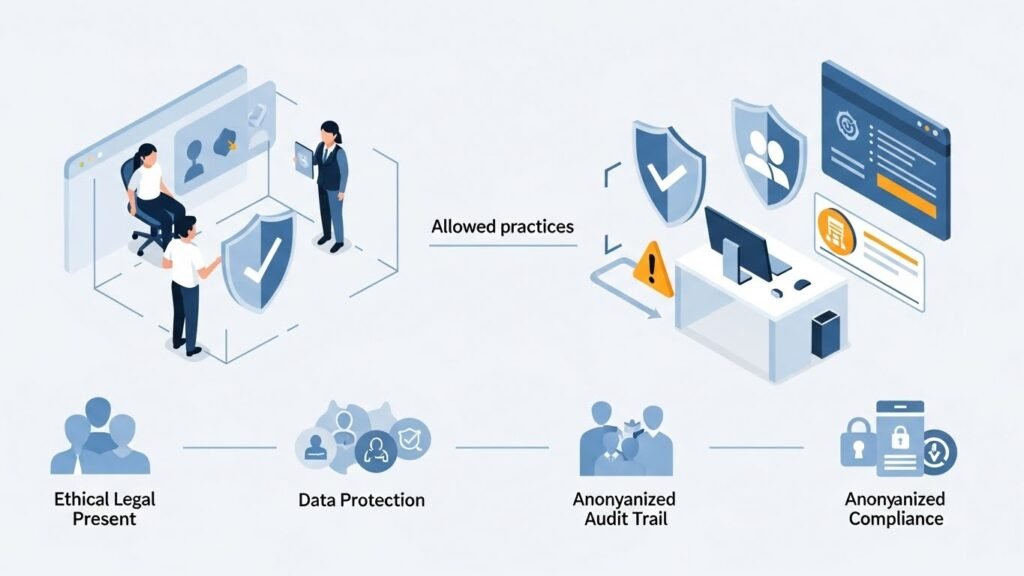
Best practices include:
- Informing employees that phishing simulations are part of training
- Avoiding emotionally manipulative or threatening messages
- Never collecting real passwords or sensitive data
- Complying with local data protection regulations
Reputable software for phishing awareness follows strict ethical guidelines and provides audit logs for accountability.
Key Features to Look for in Phishing Training Software
Not all phishing awareness platforms are equal. When evaluating ai-generated phishing content training tools, certain features indicate quality and reliability.
AI-Driven Content Generation
The tool should generate unique, context-aware phishing simulations rather than reuse templates. This keeps training fresh and challenging.
Detailed reporting and analytics are essential, just as comprehensive insights matter in AI prompt generator tools that analyze user data and behavior.
Effective tools provide insights into who clicked links, reported messages, or ignored warnings. This data helps organizations identify training gaps.
Role-Based Simulations
Finance teams, executives, and IT staff face different phishing risks. Advanced tools tailor simulations based on user roles.
Easy Integration
Seamless integration with email systems and learning platforms makes training easier to manage and scale.
How AI-Generated Training Builds Long-Term Awareness
One-off training sessions rarely change behavior. AI-driven phishing simulations encourage continuous learning by exposing users to varied attack styles over time.
Employees gradually develop instincts for spotting suspicious content. Instead of memorizing rules, they learn to think critically about unexpected messages, links, and requests.
This shift from compliance-based training to behavior-based awareness is one of the biggest advantages of AI-powered tools.
Common Mistakes Organizations Make
Even with advanced tools, mistakes can undermine effectiveness. Common issues include:
- Overloading users with too many simulations
- Using overly obvious or unrealistic scenarios
- Failing to provide feedback after simulations
- Treating failures as punishment rather than learning opportunities
Successful programs focus on education, not embarrassment.
The Future of Phishing Awareness Training
As attackers continue adopting AI, defensive training must evolve alongside them. Future phishing awareness platforms will likely incorporate behavioral analysis, adaptive learning paths, and real-time coaching.
We may also see closer integration between phishing simulations and broader cybersecurity training programs, creating a unified learning experience.
AI-generated phishing content training tools are not a temporary trend. They represent a necessary response to increasingly sophisticated cyber threats.
Frequently Asked Questions
Are ai-generated phishing content training tools safe to use?
Yes, when provided by reputable vendors and used responsibly. These tools operate in controlled environments and are designed for education, not exploitation.
How is training software different from real phishing attack tools?
Training tools simulate attacks without causing harm. Real phishing attack tools are used maliciously, while training software focuses on awareness and prevention.
Can small businesses benefit from phishing simulation tools?
Absolutely. Phishing attacks target organizations of all sizes, and scalable software for phishing awareness is available for small teams as well.
How often should phishing simulations be conducted?
Most experts recommend regular but spaced simulations, such as monthly or quarterly, to reinforce learning without overwhelming users.
Do these tools replace cybersecurity teams?
No. They support cybersecurity teams by reducing human error, which remains one of the biggest security risks.