

How Generative AI for Content Creation Is Changing Modern Digital Marketing
Generative AI for content creation is no longer a futuristic concept—it’s already reshaping how modern digital marketing works, according to experts in AI-driven content strategies.
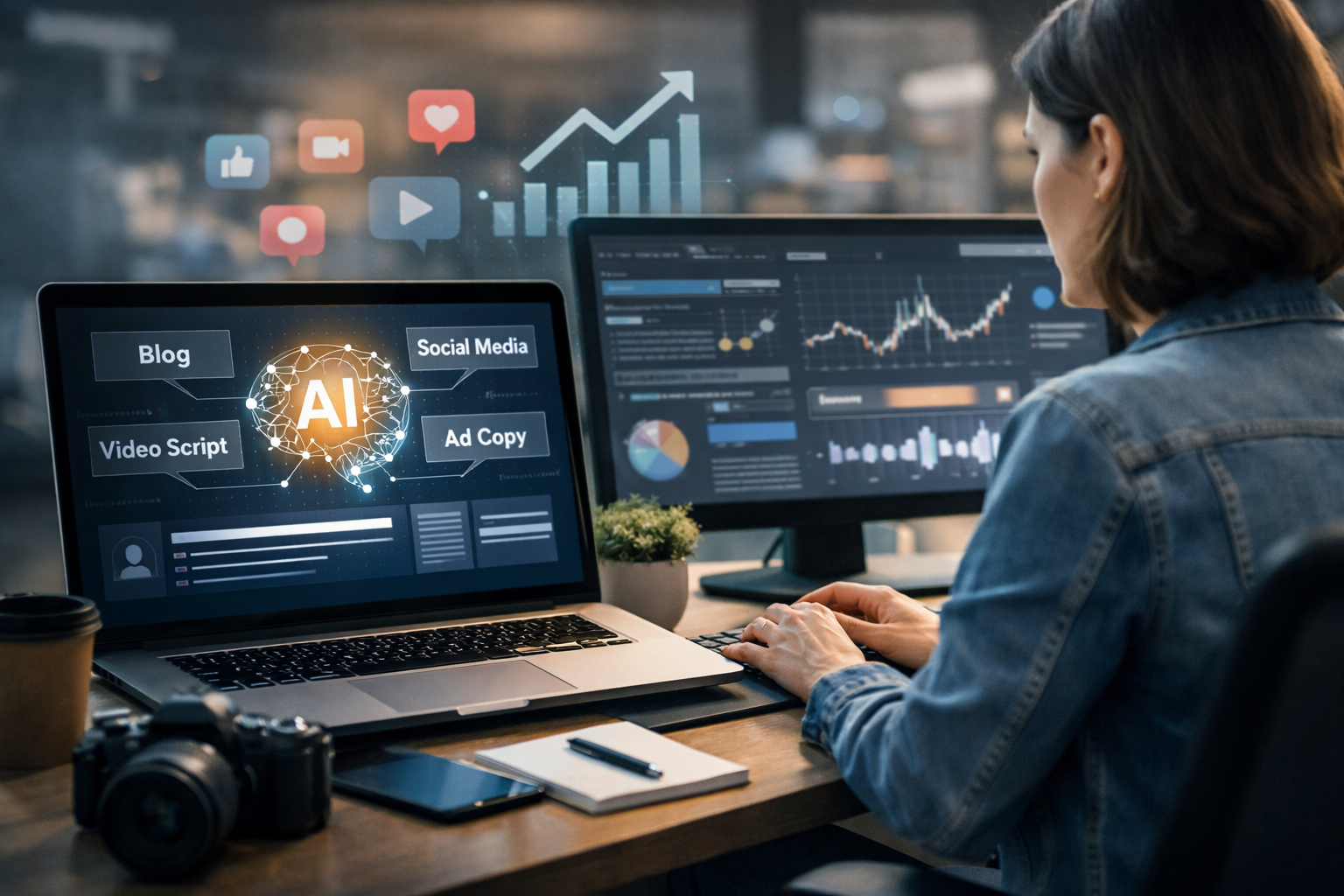
From blog posts and social media captions to video scripts and ad copy, AI-powered tools are helping marketers create content faster, smarter, and at a scale that was almost impossible just a few years ago. For businesses trying to stay visible online, this shift is changing not just how content is produced, but how marketing teams think, plan, and compete.
In this article, we’ll explore how generative AI is transforming digital marketing in real, practical ways. You’ll learn what it means for content creators, how jobs are evolving, which generative AI tools are driving the change, and what marketers need to understand to use AI responsibly and effectively.
Table of Contents
- What Is Generative AI for Content Creation?
- Why Digital Marketing Is Embracing Generative AI
- How Generative AI Is Changing Content Marketing Workflows
- The Rise of the Generative AI Content Creator Job
- Popular Generative AI Tools Used in Digital Marketing
- SEO and Generative AI: A Balanced Approach
- Trust, Authenticity, and Ethical Considerations
- The Future of Digital Marketing with Generative AI
- Frequently Asked Questions
What Is Generative AI for Content Creation?
Generative AI for content creation refers to artificial intelligence systems that can generate original content—text, images, audio, or video—based on prompts and data they’ve learned from. Unlike traditional automation tools that follow fixed rules, generative AI can create new material that feels human-like and context-aware.
In digital marketing, this typically includes:
- Writing blog articles, product descriptions, and landing pages
- Creating social media posts and ad copy
- Generating email marketing content
- Helping outline videos, podcasts, and webinars
At its core, AI for content creation is about assisting humans, not replacing them. The most effective marketing teams use generative AI as a creative partner that speeds up work while leaving strategy, judgment, and final decisions in human hands.
Why Digital Marketing Is Embracing Generative AI
Digital marketing has always been content-driven. Brands need to publish frequently, stay consistent across channels, and adapt messaging to different audiences. That pressure is exactly why generative AI tools are gaining so much attention.
Here are a few key reasons marketers are adopting AI:
- Speed: AI can draft content in minutes instead of hours.
- Scalability: Teams can produce more content without hiring large staffs.
- Cost efficiency: Smaller businesses can compete with larger brands.
- Idea generation: AI helps overcome writer’s block and sparks creativity.
In a competitive digital landscape, being faster and more consistent often means better visibility, higher engagement, and stronger brand presence.
How Generative AI Is Changing Content Marketing Workflows
One of the biggest changes brought by generative AI for content creation is how marketing workflows are structured. Instead of starting with a blank page, marketers now often begin with an AI-generated draft.
From Blank Page to Smart Draft
Previously, content creation started with research, outlining, and drafting—all done manually. Today, marketers can use generative AI tools to:
- Create initial outlines based on keywords
- Generate rough drafts for blogs or emails
- Rewrite or improve existing content
This doesn’t eliminate human involvement. Instead, it shifts the focus toward editing, refining tone, adding insights, and ensuring accuracy.
Faster Campaign Planning
AI for content creation also supports campaign planning.Marketers can quickly generate multiple content variations for A/B testing, helping them understand what messaging resonates best with their audience, as explained in our marketing workflow tips.
e.
As a result, marketing teams spend less time on repetitive tasks and more time on strategy, analysis, and creative direction.
The Rise of the Generative AI Content Creator Job
As AI becomes more common, many people worry about job losses. In reality, digital marketing roles are evolving rather than disappearing. One emerging role is the generative AI content creator job.
This role blends traditional content skills with AI literacy. A generative AI content creator typically:
- Writes and refines AI prompts
- Edits and fact-checks AI-generated content
- Ensures brand voice and consistency
- Uses AI responsibly and ethically
Instead of replacing writers, generative AI is creating opportunities for professionals who understand both storytelling and technology.
Skills Needed for AI-Assisted Content Roles
To succeed in this new environment, content creators need more than just writing skills. Important abilities include:
- Critical thinking and editorial judgment
- Understanding audience intent
- Prompt engineering basics
- SEO and content optimization knowledge
Human creativity, empathy, and strategic thinking remain essential—AI simply enhances productivity.
Popular Generative AI Tools Used in Digital Marketing
The growth of generative AI for content creation is closely tied to the rise of accessible, user-friendly tools. These generative AI tools are designed to support marketers at different stages of content production.
Text-Based AI Tools
Text generation tools help marketers write blogs, ads, emails, and social media content, similar to how Discount Grip explains effective digital content strategies.
They’re often used for:
- Drafting long-form articles
- Creating short promotional copy
- Summarizing or expanding content
Visual and Multimedia AI Tools
Beyond text, AI is also used for visual content creation. Some tools generate images, design layouts, or assist with video scripts and voiceovers. This makes it easier for marketing teams to maintain a strong visual presence without relying entirely on designers.
AI Tools for Content Optimization
Some generative AI tools focus on improving existing content. They help with readability, tone adjustment, SEO optimization, and content repurposing across platforms.
When used wisely, these tools support quality and consistency rather than lowering standards.
SEO and Generative AI: A Balanced Approach
One common concern is whether AI-generated content works well for search engines. The short answer is yes—when done correctly. Search engines prioritize helpful, accurate, and people-focused content, regardless of how it’s created.
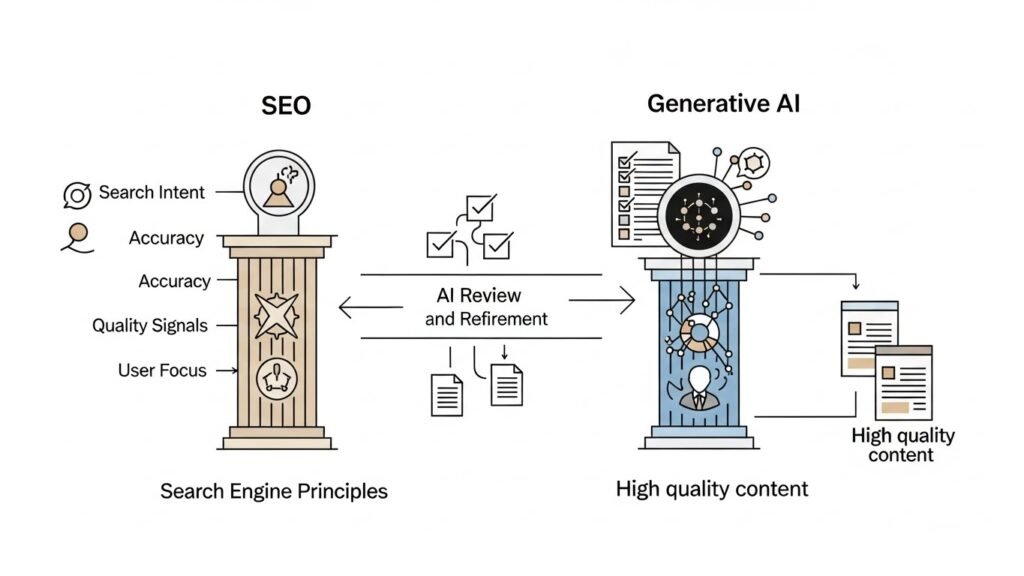
To align AI for content creation with SEO best practices:
- Focus on search intent, not just keywords
- Ensure factual accuracy and originality
- Edit AI drafts to add human insights
- Avoid publishing unreviewed content at scale
Generative AI should support content quality, not replace thoughtful writing and expertise.
Trust, Authenticity, and Ethical Considerations
As generative AI becomes more common, trust and authenticity matter more than ever. Audiences can tell when content feels generic or misleading.
Responsible use of generative AI for content creation includes:
- Being transparent about AI-assisted processes when necessary
- Avoiding false claims or fabricated data
- Maintaining a consistent, human brand voice
Ethical AI use strengthens credibility and long-term brand trust.
The Future of Digital Marketing with Generative AI
Generative AI is not a temporary trend—it’s becoming a permanent part of digital marketing. As tools improve, marketers will gain even more control over personalization, automation, and creative output.
However, the most successful brands will be those that combine AI efficiency with human creativity. Strategy, empathy, and real-world experience will continue to set great marketing apart from average content.
In the coming years, generative AI for content creation will likely become as normal as using content management systems or analytics tools today.
Frequently Asked Questions
What is generative AI for content creation?
Generative AI for content creation uses artificial intelligence to produce original text, images, or media based on prompts, helping marketers create content faster and more efficiently.
Will AI replace human content creators?
No. AI for content creation supports human creators by handling repetitive tasks, but strategy, creativity, and final judgment still require human involvement.
What is a generative AI content creator job?
A generative AI content creator job involves using AI tools to generate drafts, refine prompts, edit outputs, and ensure content quality, accuracy, and brand consistency.
Are generative AI tools good for SEO?
Yes, when used responsibly. AI-generated content should be edited for accuracy, helpfulness, and relevance to meet SEO and user expectations.
How can businesses start using AI for content creation?
Businesses can start by using generative AI tools for brainstorming, drafting, and optimization, while keeping human editors involved to maintain quality and trust.