


Best Free Options Among Top AI Tools for Generating UGC Video Content
User-generated content (UGC) has become one of the most powerful ways to build trust online, especially as brands increasingly rely on authentic, creator-style media formats.
Table of Contents
- What Is UGC Video Content and Why It Matters
- How AI Video Generators Create UGC-Style Videos
- What to Expect From a Free AI Video Generator
- Top AI Tools for Generating UGC Video Content (Free Options)
- Comparing Free AI Video Generator Options
- Tips for Making AI-Generated UGC Feel Authentic
- Frequently Asked Questions
Whether you’re running ads, growing a brand on social media, or promoting affiliate offers, authentic-looking videos consistently outperform polished, traditional ads. The challenge? Creating UGC-style videos at scale takes time, money, and coordination with creators.
That’s where modern platforms built around generative AI for content creation come in.
Today, several platforms make it possible to create realistic, engaging videos using an AI video generator, often with surprisingly generous free plans.
In this guide, we’ll explore the best free options among top AI tools for generating UGC video content. I’ll break down how each tool works, what you can realistically do with its free version, and who it’s best suited for. By the end, you’ll have a clear idea of which free AI video generator fits your needs without wasting time or budget.
What Is UGC Video Content and Why It Matters
UGC video content refers to videos that feel like they were created by everyday users rather than brands. Think selfie-style product reviews, casual testimonials, or short social clips that look native to platforms like TikTok, Instagram Reels, and YouTube Shorts.
The reason UGC works so well is simple: people trust people. Audiences are more likely to believe a recommendation that feels real and relatable than a scripted brand commercial. This is why UGC-style videos often deliver higher engagement, better watch time, and stronger conversion rates.
However, sourcing real creators can be expensive and unpredictable. AI tools now bridge that gap by simulating natural human delivery, making them a practical alternative—especially for beginners and small businesses.
How AI Video Generators Create UGC-Style Videos
An AI video generator uses artificial intelligence to turn text scripts into videos, which is a core part of today’s broader AI-driven content workflows.
Most platforms rely on digital avatars, voice synthesis, and automated editing to produce content quickly. The best tools focus on:
- Natural-looking avatars that don’t feel robotic
- Conversational voiceovers with realistic pacing
- Vertical video formats optimized for social media
- Fast turnaround without editing skills
While premium plans unlock advanced features, many platforms offer a solid free tier that aligns well with how generative AI tools are already being tested for real-world content use.
What to Expect From a Free AI Video Generator
Before diving into specific tools, it’s important to set realistic expectations. A free AI video generator usually comes with limitations such as:
- Watermarks on exported videos
- Limited video length or credits per month
- Fewer avatars or voice options
- Lower export resolution
That said, free plans are still extremely valuable for testing workflows, validating content ideas, and understanding which platform suits your style before upgrading.
Top AI Tools for Generating UGC Video Content (Free Options)
1. Pictory
Pictory is widely known for turning scripts and blog content into short videos, but it also works surprisingly well for UGC-style formats. You can create simple talking-head-style videos using text and visuals that feel natural and social-friendly.
Why it works for UGC:
The platform focuses on short, punchy videos with minimal editing. This makes it ideal for casual explainer-style or review-style content.
Free plan highlights:
- Limited video exports
- Basic text-to-video features
- Watermarked videos
Pictory is a good starting point if you want to experiment with UGC-style storytelling without diving deep into avatars.
2. Synthesia (Free Demo Access)
Synthesia is one of the most recognized names among top AI tools for generating UGC video content. It uses highly realistic AI avatars that speak your script naturally.
Why it works for UGC:
While traditionally used for corporate videos, some avatars and casual scripts can be adapted into UGC-style testimonials and product explainers.
Free access limitations:
- Demo or trial-based access
- Limited avatars and scenes
- Short video duration
Synthesia’s free option is best for testing realism and voice quality before committing to a paid plan.
3. HeyGen (Free Credits)
HeyGen has gained popularity for creating social-style videos with expressive avatars. It’s one of the few platforms that truly understands short-form, creator-style content.
Why it works for UGC:
The avatars feel more like real people talking to a camera, which fits perfectly with UGC ads and organic social posts.
Free plan features:
- Limited free credits
- Access to selected avatars
- Watermarked exports
If your goal is TikTok-style or Reels-style UGC videos, HeyGen’s free tier is worth exploring.
4. InVideo AI
InVideo AI combines script generation, stock footage, and voiceovers into a single workflow. While it’s not strictly avatar-based, it can still produce UGC-style content when used correctly.
Why it works for UGC:
You can create casual, story-driven videos that feel less polished and more relatable, especially for product demos and reviews.
Free AI video generator features:
- Text-to-video creation
- Stock media library access
- Watermarked videos
InVideo AI is ideal if you prefer voiceover-based UGC rather than on-screen avatars.
5. CapCut AI Tools
CapCut is already popular among creators, and its AI features are expanding rapidly. While not a traditional avatar-based generator, it offers AI voices, captions, and automation.
Why it works for UGC:
CapCut feels native to social platforms. Combined with AI voiceovers, it’s easy to create videos that blend seamlessly into user feeds.
Free plan benefits:
- No cost for basic AI features
- Automatic captions
- Social-first video formats
This is a strong option if you want more creative control while still benefiting from AI assistance.
Comparing Free AI Video Generator Options
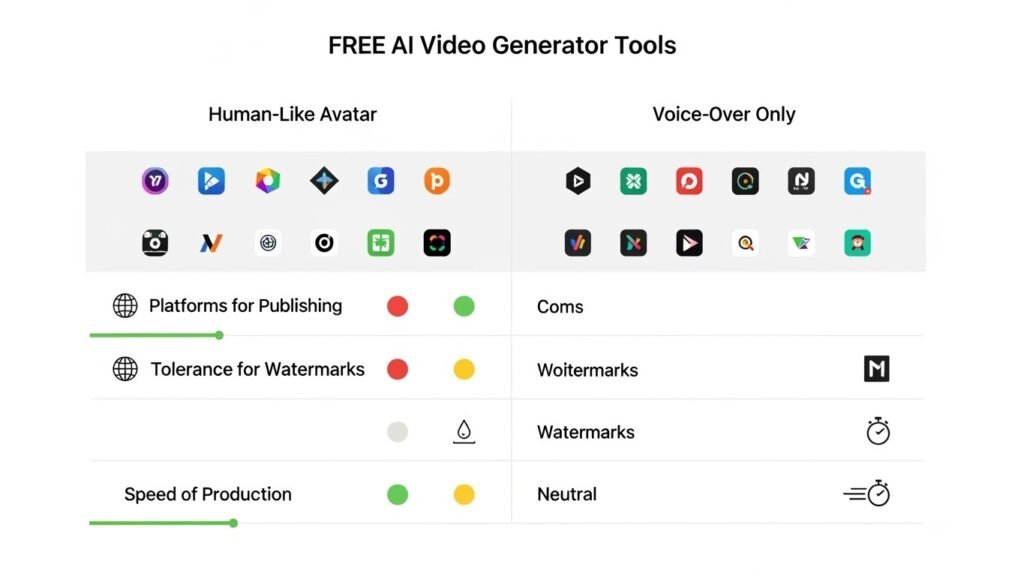
Each tool serves a slightly different purpose. Some focus on avatars, others on automation or editing. When choosing among top AI tools for generating UGC video content, consider:
- Whether you want a human-like avatar or voiceover-only content
- The platforms you plan to publish on
- Your tolerance for watermarks during testing
- How quickly you need to produce videos
Testing multiple tools with their free plans is often the smartest approach.
Tips for Making AI-Generated UGC Feel Authentic
No matter which AI video generator free option you choose, authenticity is key. Here are a few practical tips:
- Write scripts in natural, conversational language
- Keep videos short and focused on one idea
- Avoid overly salesy phrases
- Match tone and pacing to the platform
The goal is to make the video feel like a real person sharing an honest opinion, not reading a commercial script.
Frequently Asked Questions
Are free AI video generators good enough for UGC content?
Yes, for testing, learning, and small-scale projects. While free versions have limits, they’re more than capable of producing realistic UGC-style videos.
Which free AI video generator looks the most realistic?
Tools like HeyGen and Synthesia tend to offer the most realistic avatars, even in their limited free access.
Can I use AI-generated UGC videos for ads?
In most cases, yes, but you should always review each platform’s usage rights, especially when using free plans.
Do free AI video generators include watermarks?
Most do. Watermarks are common on free tiers, but they’re usually removed when upgrading to a paid plan.
Is AI-generated UGC accepted on social media platforms?
Yes, as long as the content follows platform guidelines and feels authentic, AI-generated UGC performs well across major social networks.
AI has made UGC video creation more accessible than ever. With the right free tools and a thoughtful approach, you can experiment, learn, and build engaging video content without upfront costs—all while staying competitive in today’s content-driven landscape.