

MIT vs Apache 2.0: Clear Comparison of Open Source Software Licenses
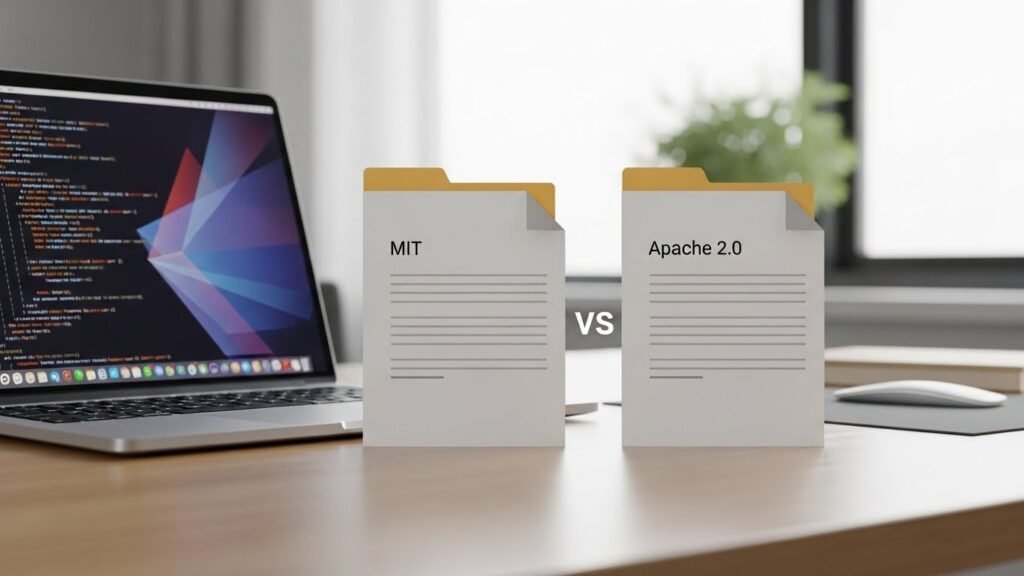
Choosing the right open source software licenses is crucial for developers, businesses, and project managers alike, especially when building or scaling open source software projects. With so many options available, understanding the nuances between licenses can save you legal headaches and optimize your software distribution strategy. In this guide, we’ll compare the MIT license and Apache 2.0 license, highlight their differences, and explain why each might be suitable for your project.
Table of Contents
- What Are Open Source Software Licenses?
- Overview of the MIT License
- Overview of the Apache 2.0 License
- MIT vs Apache 2.0: Key DifferencesApache 2.0 is ideal for corporate projects or software with potential patent implications, especially enterprise open source solutions.
- MIT vs Apache 2.0 in Practical Use
- GPL vs LGPL Differences Explained
- How to Choose Between MIT and Apache 2.0
- FAQs About MIT vs Apache 2.0 Licenses
What Are Open Source Software Licenses?
Open source software licenses define how software can be used, modified, and distributed, as outlined by widely accepted open-source licensing standards. They are legal frameworks that protect both the creators and users of software. Choosing the right license ensures your project remains compliant with legal standards while promoting collaboration and innovation.
Open source licenses are broadly divided into permissive and copyleft licenses.Permissive licenses, like MIT and Apache 2.0, allow wide use with minimal restrictions, making them popular for modern SaaS developer tools.. Copyleft licenses, such as GPL, enforce that derivative works remain open source.
Overview of the MIT License
The MIT license is one of the simplest and most permissive open source licenses available. Its key characteristics include:
- Minimal Restrictions: Users can modify, distribute, or even sell software without much limitation.
- License Notice Required: All copies of the software must include the original MIT license.
- Compatibility: Highly compatible with other licenses, making it ideal for projects intended for broad adoption.
The MIT license is favored for startups and independent developers who want maximum flexibility with minimal legal overhead.
Overview of the Apache 2.0 License
The Apache 2.0 license is another widely used permissive license, but it includes additional protections and requirements compared to MIT. Key features include:
- Explicit Patent Grant: Users receive rights to any patents held by contributors.
- Notice and Attribution: Any modified files must include a prominent notice of changes.
- Compatibility: Compatible with many open source licenses but requires careful integration with GPL-licensed code.
Apache 2.0 is ideal for corporate projects or software with potential patent implications, as it provides stronger legal safeguards.
MIT vs Apache 2.0: Key DifferencesApache 2.0 is ideal for corporate projects or software with potential patent implications, especially enterprise open source solutions.
Although both licenses are permissive, understanding their differences is important for software license management deals 2026 and beyond:
- Patent Protection: Apache 2.0 explicitly grants patent rights to users, while MIT does not.
- Documentation of Changes: Apache 2.0 requires that modifications are clearly documented; MIT does not.
- License Compatibility: MIT is more permissive and easier to integrate with other projects, whereas Apache 2.0 has stricter requirements for redistribution.
MIT vs Apache 2.0 in Practical Use
Here’s how the two licenses compare in real-world scenarios:
- Startup Projects: MIT is preferred for quick, open distribution without worrying about patent grants.
- Enterprise Software: Apache 2.0 is suitable for companies concerned about patent claims and requiring clear attribution of modifications.
- Community Contributions: Both licenses encourage collaboration, but Apache 2.0 ensures contributors’ intellectual property is more explicitly protected.
GPL vs LGPL Differences Explained
Understanding other licenses like GPL and LGPL helps provide context. The key differences include:
- GPL: Strong copyleft license; derivative works must remain open source.
- LGPL: Weaker copyleft; allows linking with proprietary software under certain conditions.
Compared to MIT and Apache 2.0, GPL and LGPL impose stricter redistribution rules, which may limit usage in commercial or closed-source projects.
How to Choose Between MIT and Apache 2.0
When deciding between MIT and Apache 2.0, consider the following:
- Legal Safety: Do you need explicit patent protection? Choose Apache 2.0.
- Ease of Use: Do you want simplicity and flexibility? Choose MIT.
- Community Adoption: Consider which license aligns with the open source community your project targets.
Both licenses are widely accepted, but your project goals, legal requirements, and distribution plans should guide your choice.
FAQs About MIT vs Apache 2.0 Licenses
1. Can I use MIT-licensed software in a commercial product?
Yes, the MIT license allows commercial use, modification, and distribution with minimal restrictions, provided you include the original license.
2. Does Apache 2.0 protect me from patent lawsuits?
Yes, Apache 2.0 includes an explicit patent grant, reducing the risk of patent claims from contributors.
3. Can MIT and Apache 2.0 licensed code be combined?
Yes, MIT code can generally be combined with Apache 2.0 projects. However, Apache 2.0 requirements, like notices and patent grants, must be respected in the combined project.
4. Which license is better for startups?
MIT is often preferred for startups due to its simplicity and minimal legal obligations. Apache 2.0 may be better if patent protection is a concern.
5. How do MIT and Apache 2.0 compare with GPL?
GPL is a strong copyleft license requiring derivative works to remain open source. MIT and Apache 2.0 are permissive and allow more flexibility for proprietary use.
Understanding open source software licenses like MIT and Apache 2.0 ensures your project is legally safe, widely usable, and aligned with your distribution goals. By carefully evaluating your needs, you can choose the license that balances flexibility, legal protection, and community collaboration.